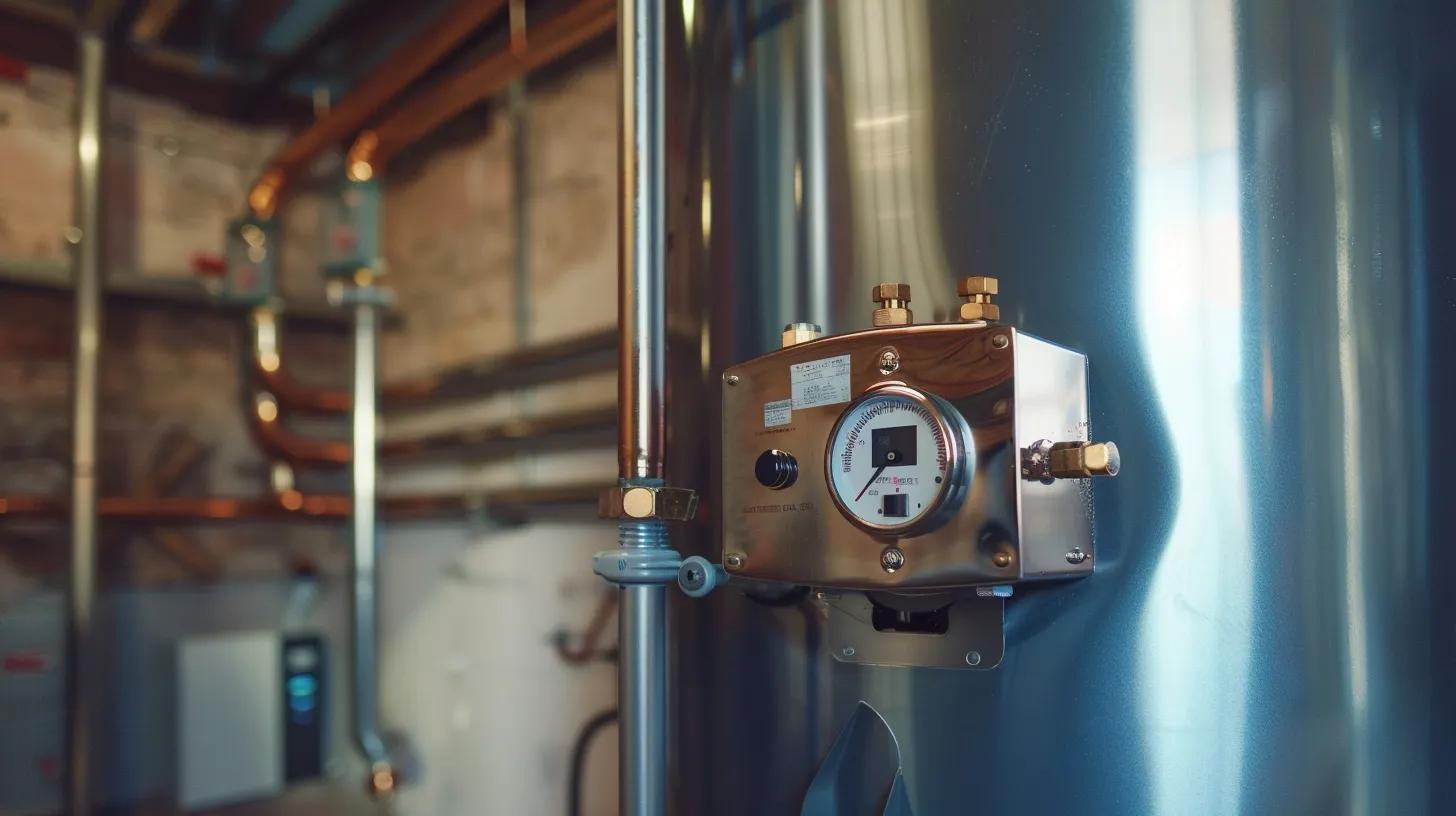






Choose Energy Efficient Furnaces for Collins Homes' Comfort

Energy-Efficient Furnaces: The Best Choice for Collins Homes
Energy-efficient furnaces reduce fuel use by delivering more heat from each unit of energy, making them a practical upgrade for Collins homes that balance mild winters with occasional cold snaps. This article explains how efficiency is measured, why high-AFUE units and heat pumps often outperform older furnaces in Collins, and which system types and features deliver the best comfort and savings for local houses. You will learn how AFUE ratings affect operating costs, why ENERGY STAR models matter, how to decide between gas, electric, and heat pump systems, and what steps indicate it’s time to replace your unit. We also walk through realistic cost considerations, financing and local incentive pathways, brand comparisons, and how smart thermostats and proper installation amplify gains. After this primer, homeowners in Collins will be positioned to compare options, understand likely outcomes, and decide whether to pursue a professional assessment or install. Limelight Services provides local expertise and certified installation options; Provide useful information, build trust, and lead users to discover and book HVAC, plumbing, and electrical services.
What Are Energy-Efficient Furnaces and Why Are They Ideal for Collins Homes?
An energy-efficient furnace converts a higher percentage of fuel into useful heat, reducing wasted energy while improving indoor comfort and lowering utility bills. Efficiency is commonly expressed by AFUE for combustion furnaces and by HSPF/SEER metrics for heat pump systems, showing both instantaneous performance and seasonal efficiency. For Collins homes, which experience mild winters and warm summers, efficient heating systems minimize annual energy consumption and pair well with modern cooling and control strategies to keep year-round costs down. The next paragraphs unpack AFUE mechanics and the practical advantages of ENERGY STAR certification, guiding homeowners toward measurable benefits and realistic expectations for local installations.
How Does AFUE Rating Impact Furnace Efficiency in Collins Homes?
AFUE (Annual Fuel Utilization Efficiency) measures the percentage of fuel converted to heat over a typical year, so a higher AFUE directly reduces fuel use and operating expense. In practical terms, upgrading from an older mid-efficiency unit to a high-AFUE furnace or an efficient heat pump lowers annual heating energy consumption; realized savings depend on local fuel prices, usage patterns, and home envelope quality. Homeowners should compare AFUE values alongside climate-relevant metrics—because mild Collins winters mean that heat pumps with strong HSPF ratings can often outperform gas-only systems on cost and emissions. Understanding AFUE helps homeowners quantify tradeoffs and estimate payback, and those estimates lead naturally into assessing ENERGY STAR and manufacturer-backed efficiencies.
Energy-Efficient Furnaces: AFUE Ratings and Cost Analysis
Current regulations require new residential gas-fired furnaces (not including mobile home furnaces) to meet or exceed 78 percent annual fuel utilization efficiency (AFUE), but in fact nearly all furnaces sold are at 80 percent AFUE or higher. The possibilities for higher fuel ef
Electricity and Natural Gas Efficiency Improvements for Residential Gas Furnaces in the US, JE McMahon, 2006
What Benefits Do ENERGY STAR Certified Furnaces Offer Collins Homeowners?
ENERGY STAR certified furnaces meet strict efficiency and performance standards that often translate to lower operating costs, improved reliability, and eligibility for select incentive programs. Certified units typically feature advanced components—like variable-speed blowers and improved heat exchangers—that enhance part-load efficiency and comfort while reducing noise. Choosing ENERGY STAR models also positions homeowners to access rebates or credits when available, and to pair equipment with smart thermostats and commissioning steps that preserve efficiency gains. Assessing certification is therefore a practical screening tool before comparing models or arranging professional sizing and installation.
Which Types of Energy-Efficient Furnaces Are Best for Collins Homes?
Different heating systems—high-efficiency gas furnaces, electric furnaces, and air-source heat pumps—deliver distinct mixes of upfront cost, operating cost, emissions, and climate suitability, and choosing among them depends on fuel availability, electrification goals, and home characteristics. In Collins, the mild winter climate often favors heat pumps for overall efficiency and dual heating/cooling capability, while high-AFUE gas furnaces remain viable where gas is already installed and electrification is constrained. The following table compares system types by core attributes to clarify tradeoffs for local homeowners.
This comparison clarifies why heat pumps are frequently the recommended choice for Collins homes: they use electricity efficiently and serve year-round comfort needs, while gas furnaces remain relevant where fuel access or homeowner preference favors them.
There are clear pros and cons for each system type:
- Heat Pumps: High seasonal efficiency and integrated cooling/heating functionality for mild climates.
- High-efficiency Gas Furnaces: Strong heating capacity and high AFUE for homes with existing gas infrastructure.
- Electric Furnaces: Simpler systems with fewer combustion safety concerns but potentially higher operating costs.
These distinctions help homeowners prioritize options based on goals such as lower bills, reduced emissions, or future-proofing through electrification.
How Do Gas, Electric, and Heat Pump Furnaces Compare for Collins Climate?
Gas furnaces deliver strong capacity and predictable performance but rely on combustion and thus have different emissions and service profiles than electric options. Electric furnaces are mechanically simple, but in regions where electricity costs are higher or supply carbon intensity is a concern, they can be costlier to run. Air-source heat pumps typically provide the best mix of seasonal efficiency (HSPF/SEER) and versatility in Collins, because they transfer heat rather than generate it, yielding lower energy use during milder winters. Comparative choice should also factor in ducting condition, existing fuel lines, and long-term policy trends favoring electrification; these installation and lifecycle considerations naturally lead to the question of when replacement makes sense.
Why Are Heat Pumps Considered the Future of Heating in Southern California?
Heat pumps move heat from outdoors to indoors with a refrigerant cycle and reversing valve, producing multiple units of heat per unit of electricity and therefore exhibiting high efficiency in mild climates. California's building code direction and electrification incentives increasingly support heat pump adoption, which reduces onsite combustion emissions and pairs well with decarbonized grid targets. For homeowners, that translates to lasting operational savings and flexible integration with solar PV and smart controls, while installers focus on proper sizing and system matching to avoid performance issues. The electromotive nature of heat pumps also simplifies combining HVAC with home electrification strategies, making them a forward-looking choice for Collins properties.
When Should Collins Homeowners Consider Furnace Replacement or Upgrade?
Homeowners should consider replacement when age, repair frequency, safety concerns, or poor efficiency cause rising bills, inconsistent comfort, or unreliable operation. A systematic assessment uses signs of decline—age over the expected service life, frequent breakdowns, rising energy costs, unusual noises, and uneven temperatures—to decide whether repair or replacement offers better long-term value. Replacing an undersized or poorly matched unit with a properly sized high-efficiency system, combined with ductwork sealing and commissioning, delivers measurable efficiency and comfort improvements. For those needing help, certified professionals can assess load calculations and recommend options; Provide useful information, build trust, and lead users to discover and book HVAC, plumbing, and electrical services.
Homeowners can watch for specific replacement indicators and prioritize action accordingly.
- Age and frequent breakdowns: Older units often need more repairs and lose efficiency.
- Rising energy bills: Persistent bill increases indicate declining system performance.
- Comfort issues: Uneven heating, humidity problems, or persistent cold spots signal inefficiency.
- Safety or reliability concerns: Odors, corrosion, or combustion irregularities require immediate evaluation.
What Are the Common Signs You Need a Furnace Replacement in Collins?
Common, observable signs include escalating repair bills, reduced heat output, short-cycling, rising energy consumption, and uneven room temperatures despite thermostat settings. In Collins homes, particular attention should be paid to systems that struggle during coastal marine layers or sudden cold periods—those conditions reveal marginal capacity or airflow issues that a new, properly sized system can correct. Safety indicators such as persistent odors, visible rust, or frequent pilot/ignition failures also demand immediate evaluation and often justify replacement for both comfort and risk reduction. Understanding these signs frames replacement as both a comfort and an economic decision and leads into why professional installation matters.
How Does Professional Installation Ensure Maximum Efficiency and Longevity?
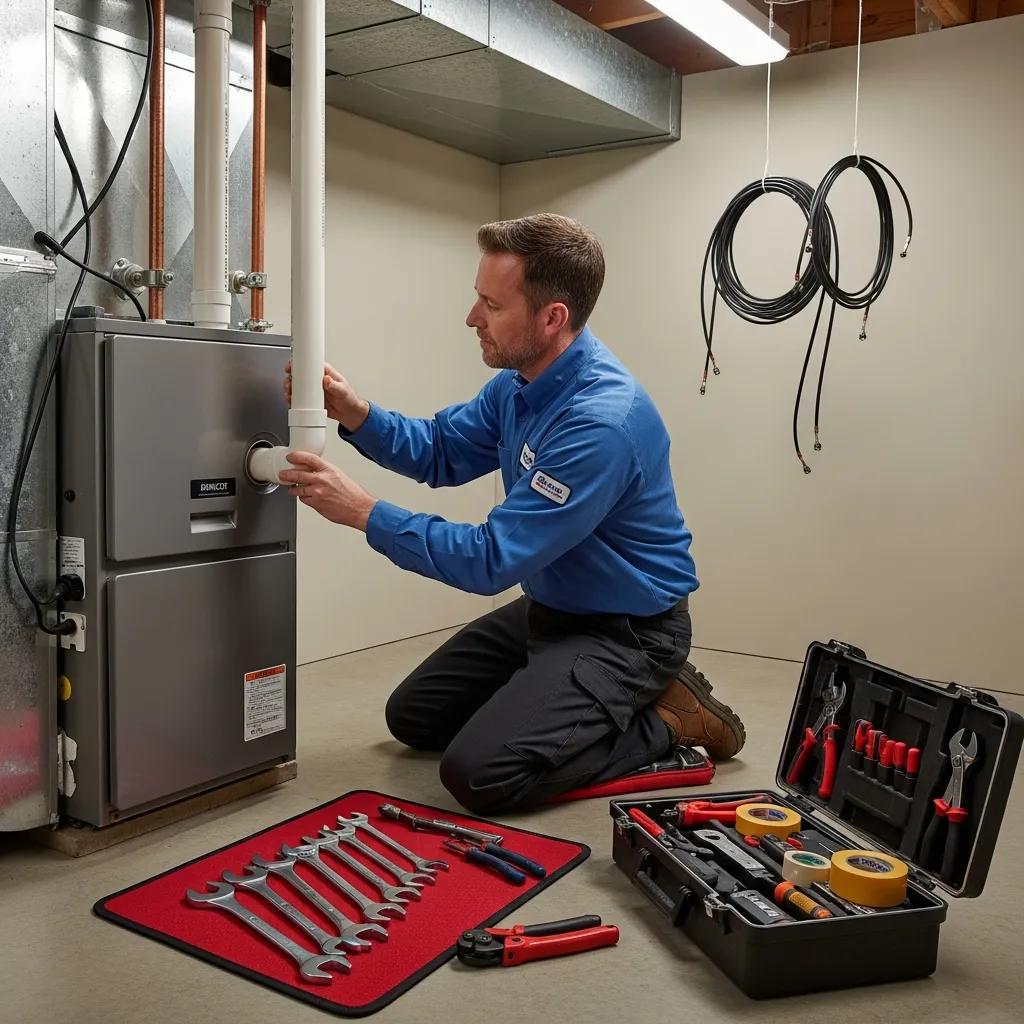
Professional installation includes correct load calculations, proper equipment sizing, ductwork evaluation and sealing, refrigerant charge verification (for heat pumps), and system commissioning, all of which ensure rated performance is realized in the home. Certified technicians follow best practices—such as verifying airflow, testing safety controls, and educating owners on efficient operation—which preserves warranties and reduces the risk of premature failures. Poor installation often erodes efficiency gains from high-end equipment, so investing in qualified installers and follow-up maintenance plans yields better long-term savings and peace of mind. These installation benefits also intersect with financing choices and incentives that can make upgrades more affordable.
How Much Does Installing an Energy-Efficient Furnace Cost in Collins Homes?
Installation costs vary by system type, home complexity, and required ancillary work such as duct repairs, electrical upgrades, or gas-line changes, so obtaining detailed local quotes is essential to establish accurate budgets. Rather than fixed national prices, homeowners should expect a range of outcomes tied to equipment selection, labor, and any necessary modifications to the home; the table below outlines typical cost attributes and operating cost considerations to guide budgeting and ROI thinking. When exploring financing and incentives, homeowners can align cost estimates with available programs to reduce out-of-pocket expense and improve payback timelines.
This table emphasizes that local assessment and multiple quotes are essential. For many Collins homeowners, combining incentives and financing can shift the economics in favor of higher-efficiency options.
When considering payment options, compare the structure and long-term cost impact rather than only monthly payment size.
- Manufacturer or dealer financing: Often available through installers and can spread costs over time.
- Utility or third-party programs: Some programs offer low-interest or on-bill financing where available.
- Home improvement loans: Traditional loans or lines of credit may be used but compare total interest and terms.
Choosing the right financing approach influences monthly commitments and overall return on investment, and professional providers may offer tailored plans.
What Financing Options Are Available for High-Efficiency Furnace Installation?
Homeowners commonly use a mix of installer-offered financing, manufacturer promotions, utility programs, and home improvement loans to fund high-efficiency HVAC upgrades; each option trades off up-front cost versus long-term interest and flexibility. Installer financing can be convenient and sometimes bundled with maintenance plans, while utility or government-supported programs may offer favorable terms or rebates that reduce net cost. When evaluating options, compare effective interest rates, fees, and any requirement to use specified equipment, and prioritize financing that preserves cash flow while supporting energy savings. Limelight Services offers financing and maintenance plans as part of their service offerings, which can simplify planning and ongoing equipment care.
What Features Should Collins Homeowners Look for in a High-Efficiency Furnace?
Prioritize features that improve both efficiency and occupant comfort: high AFUE rating (for combustion furnaces), variable-speed blowers, modulating heat burners or variable-capacity compressors, and compatibility with smart thermostats and zoning systems. Corrosion-resistant heat exchangers, service-friendly access panels, and clear warranty registration processes also matter for long-term ownership costs. Additionally, seek equipment with proven commissioning protocols and documented installer training to ensure rated performance is achieved in the home. This feature-focused approach narrows choices to systems that deliver real-world benefits rather than nominal specs alone.
How Do Energy-Efficient Furnaces Impact Utility Bills and Home Comfort in Collins?
Energy-efficient furnaces and heat pumps reduce operating costs by converting more energy into usable heat or by transferring heat more effectively, producing tangible bill reductions when paired with proper sizing and controls. Beyond savings, efficient systems improve comfort through reduced temperature swings, better humidity control, quieter operation, and more consistent airflow. Smart thermostats amplify these benefits by learning schedules, enabling remote control, and providing energy reporting that helps homeowners refine setpoints for savings. The following examples and lists show typical savings paths and how controls and maintenance preserve performance.
Homeowners often see a mix of bill reductions and comfort gains:
- Lower energy consumption: Higher AFUE/HSPF ratings reduce seasonal energy use.
- Improved comfort: Variable-speed and modulating systems maintain steadier indoor temperatures.
- Operational transparency: Smart thermostats give data to optimize schedules and detect issues.
How Much Can Collins Homes Save Annually with a High-AFUE Furnace?
Annual savings depend on the AFUE improvement, local energy rates, and household heating demand; for many Collins homes, moving from an older low-AFUE unit to a modern high-AFUE furnace or heat pump yields noticeable year-over-year reductions in heating energy use. Conservative estimates should account for variables like insulation, thermostat behavior, and usage patterns, while optimistic cases assume full utilization of advanced controls and good ductwork. Calculating payback requires comparing installation cost, available incentives, and projected annual fuel savings to estimate a reasonable timeline for recouping investment. These calculations point toward the importance of professional load calculations and a full-scope assessment to produce reliable homeowner projections.
How Do Smart Thermostats Enhance Furnace Efficiency and Comfort?
Smart thermostats optimize temperature schedules, reduce wasted heating during predictable absences, and enable learning algorithms that align HVAC output to actual occupant patterns, improving energy efficiency without sacrificing comfort. They provide remote control and energy-use reporting that helps homeowners identify savings opportunities and can integrate with zoning systems or outdoor sensors to refine operation. When paired with variable-speed equipment or heat pumps, smart controls maximize part-load efficiency by reducing short cycling and matching output to demand. Implementing smart controls is a high-impact, low-intrusion step that complements equipment upgrades and supports sustained efficiency gains.
Conclusion
Investing in energy-efficient furnaces significantly enhances comfort and reduces utility costs for Collins homeowners. By understanding AFUE ratings, ENERGY STAR certifications, and the benefits of professional installation, you can make informed decisions that lead to long-term savings. Explore your options today to find the perfect heating solution tailored to your home’s needs. For expert guidance and installation services, connect with Limelight Services to ensure your upgrade is seamless and efficient.
Customer Testimonials


Robert was very friendly, professional and efficient troubleshooting and repairing our electrical issues. Thank you so much for getting everything fixed in a timely and efficient manner! We greatly appreciate your services and highly recommend Robert and his company!!

Since moving to Colorado 7 years ago this was without a doubt my best contractor experience. A clean and expert job quickly accomplished at a great price for the quality. Jason's number has firmly made it into my phone book, and will be my electrician of choice from now on!
Limelight’s prices are the best in northern CO and so is the work.The job was done professionally and quickly. We had no problems and are veryhappy with the quality of the work!
Limelight's prices are the best in northern CO and so is the work. The job was done professionally and quickly. We had no problems and are very happy with the quality of the work!
Jason was by far my best experience within all my contractors. And, I was very impressed by the speed in which he did his job.
Our Latest Blogs

Whole-Home Air Purifier Systems

Ensure Proper Furnace Installation with These Key Tips