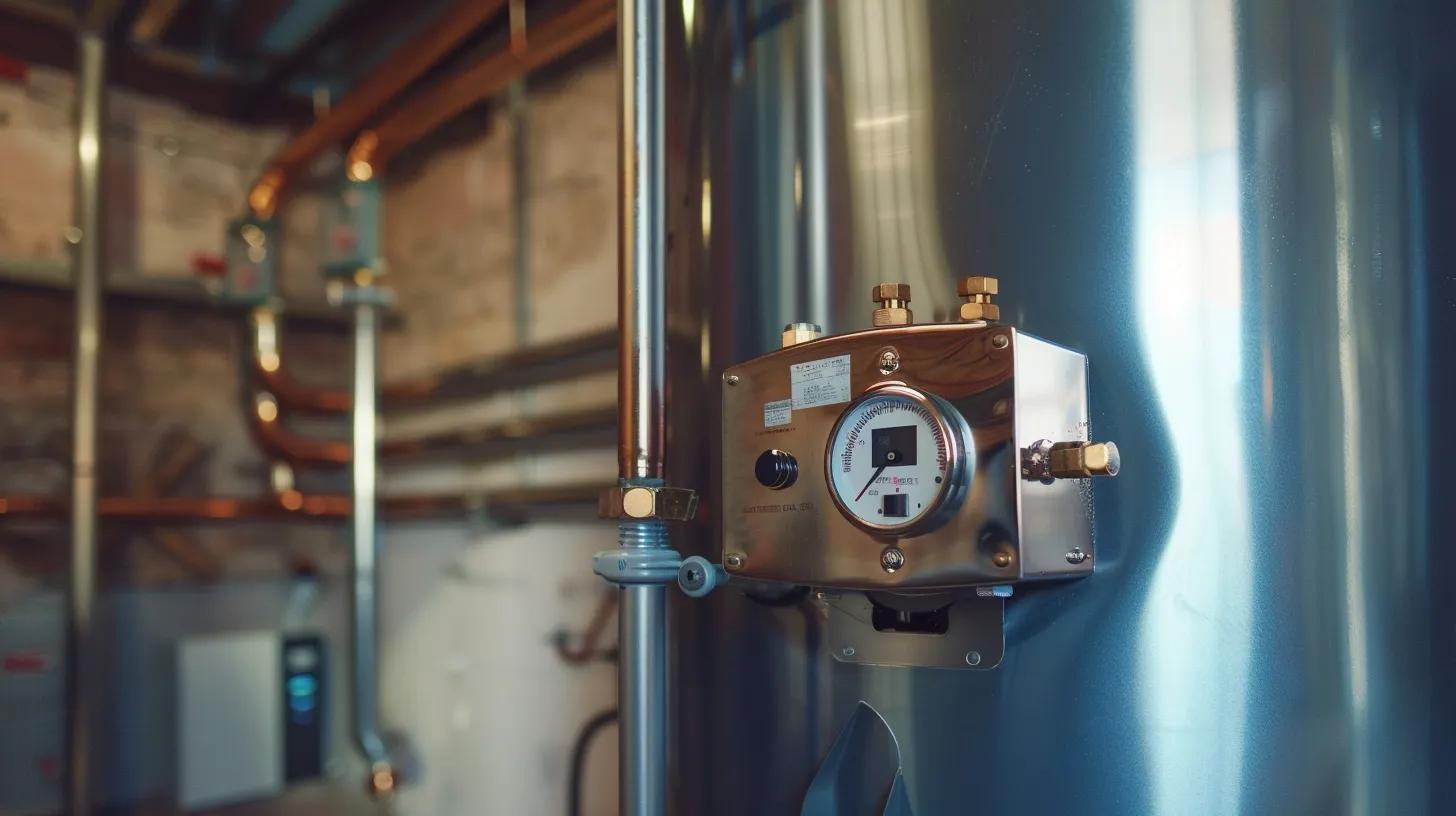






Water Heater Maintenance in Fort Collins, CO: Expert Tips for Longevity and Efficiency
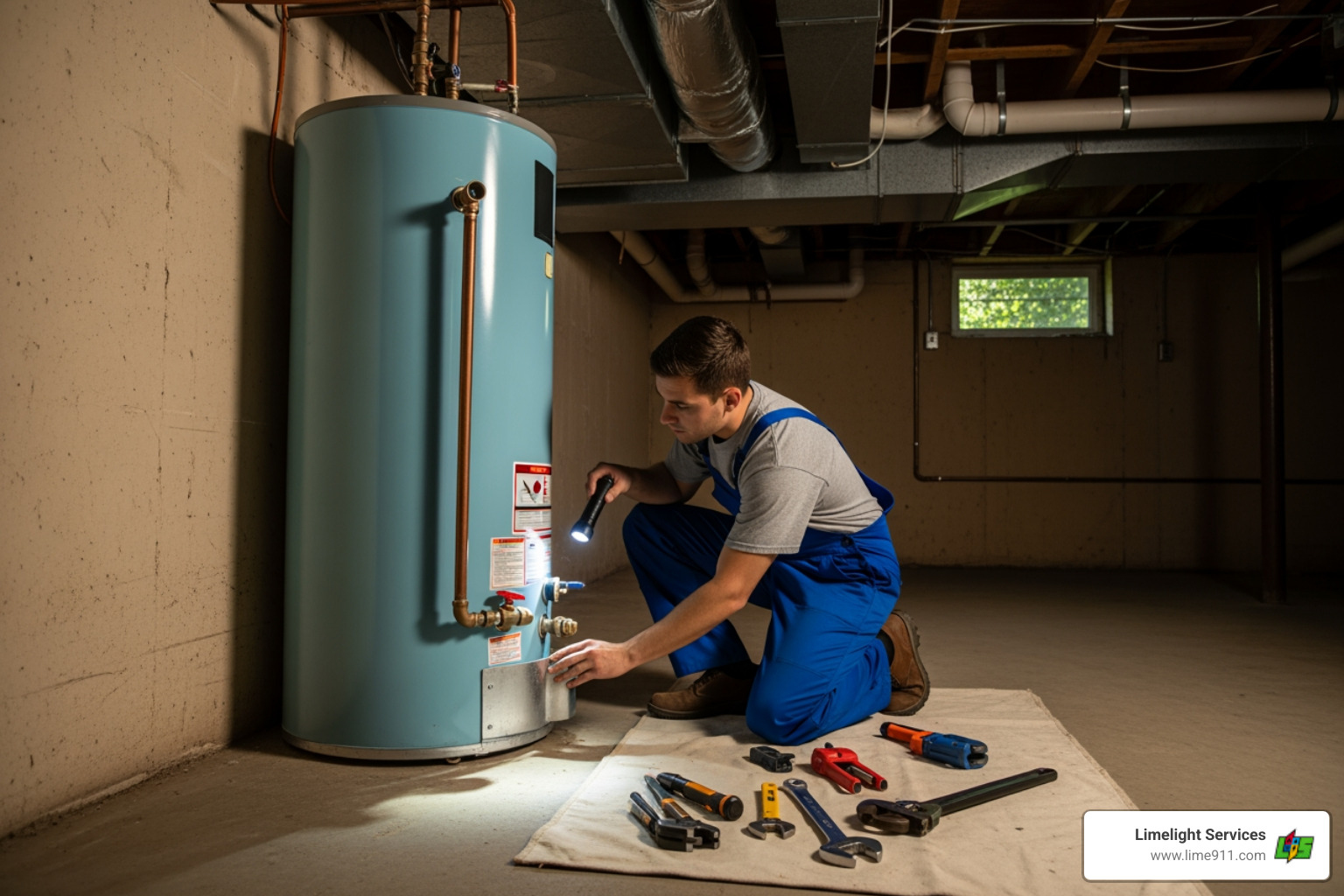
Why Water Heater Maintenance Matters in Fort Collins
Water heater maintenance fort collins co is essential for homeowners who rely on consistent hot water for daily comfort, especially during Colorado's cold winters. Without regular upkeep, your water heater can develop sediment buildup, corrode from hard water minerals common in Fort Collins, and lose efficiency—leading to higher energy bills, unexpected breakdowns, and even premature replacement. Whether you have a traditional tank or a tankless system, proactive maintenance protects your investment, ensures reliable hot water when you need it most, and helps you avoid costly emergency repairs.
Key benefits of regular water heater maintenance:
- Extended lifespan – Proper care can help tank heaters last 10-12 years and tankless systems 15-20 years
- Lower energy bills – Removing sediment and mineral buildup restores efficiency and reduces energy consumption by up to 24-34%
- Fewer repairs – Annual inspections catch small issues before they become expensive problems
- Consistent hot water – Regular flushing and component checks ensure reliable performance year-round
- Improved safety – Testing pressure valves and checking for gas leaks protects your family
Fort Collins homeowners face unique challenges with water heater maintenance due to the area's mineral-rich water supply. Hard water accelerates sediment accumulation inside tanks, which can reduce heating efficiency, cause strange noises, and shorten your system's lifespan. Regular maintenance—including annual flushing, anode rod inspections, and safety valve testing—addresses these local concerns while keeping your utility use in check.
For comprehensive water heaters fort collins co services and professional water heater maintenance fort collins co, contact Limelight Services today.
The Top Benefits of Regular Water Heater Maintenance
Imagine a cold winter morning in Fort Collins, and you step into a shower, only to be met with an icy blast. Not exactly the start to the day you envisioned, right? This is just one of the many scenarios that regular water heater maintenance fort collins co helps you avoid. Investing a little time and effort into your water heater's care can yield significant returns, keeping your hot water flowing reliably and your home comfortable.
Here are the top benefits homeowners enjoy from consistent water heater maintenance:
Extended Lifespan: Your water heater is a significant investment, and like any major appliance, it performs best and lasts longest with proper care. Tank water heaters typically last about 10-12 years, while tankless units can reach 15-20 years. However, these lifespans are often only achieved with consistent maintenance. Neglect can cut years off your unit's life, leading to premature replacement. Regular maintenance protects your water heater from avoidable breakdowns and inefficiencies, helping it serve your Fort Collins home for as long as possible.
Improved Energy Efficiency: Over time, sediment, minerals, and debris accumulate inside your water heater tank, especially with Fort Collins' hard water. This buildup acts as an insulator, forcing your water heater to work harder to heat the water. The result is higher energy use. Regular maintenance, particularly flushing the tank, removes this buildup, restoring your unit to its optimal efficiency. Tankless water heaters, while already energy-efficient, can see their energy consumption reduced by 24-34% compared to traditional tanks with proper descaling. This routine care preserves energy efficiency and maximizes performance.
Lower Utility Bills: Directly tied to improved energy efficiency, a well-maintained water heater can mean lower monthly utility usage. When your unit doesn't have to overwork to heat water, it uses less energy. Lowering the temperature setting on many water heaters from 140 degrees to 120 degrees can also reduce mineral deposits and further reduce energy consumption.
Fewer Unexpected Repairs: Regular maintenance is like a preventative check-up for your water heater. It allows small issues to be identified and addressed before they escalate into major repairs. Whether it's inconsistent temperature, banging noises, leaks, or other mishaps, proper maintenance can help prevent many water heater problems. Catching a corroding anode rod or a faulty heating element early can help you avoid a complete system breakdown and the inconvenience of sudden cold showers.
Consistent Hot Water Supply: There is nothing quite like a reliable hot water supply. Sediment buildup or a malfunctioning dip tube can lead to inconsistent hot water, leaving you with lukewarm showers or not enough hot water for your daily needs. Maintenance tasks like flushing the tank, inspecting the dip tube, and testing heating elements help your water heater deliver the consistent hot water you depend on.
Improved Safety: Water heaters, especially gas models, involve gas lines, electrical connections, and high water temperatures and pressures. Safety devices like the temperature and pressure relief (T&P) valve are critical for helping to prevent dangerous situations. Regular maintenance includes testing these safety features to verify that they are working correctly, helping protect your home and family from potential hazards like overheating or excessive pressure buildup.
Mitigating Hard Water Effects: Fort Collins, like many areas in Northern Colorado, has relatively hard water. This means higher mineral content (calcium and magnesium), which contributes significantly to sediment buildup in your water heater. Regular flushing and anode rod inspection are even more critical in this region to combat these effects and help protect your unit from premature wear and tear. For more information on how to protect your home from hard water, you can explore our solutions for water softener fort collins co.
Your Essential Water Heater Maintenance Checklist
Performing regular water heater maintenance fort collins co is crucial for supporting longevity and efficiency. While some tasks are best left to professionals, there are several things you can do to help keep your unit in top shape.
Safety First Warning
Before attempting any maintenance, always prioritize safety.
- Turn off the power supply: For electric water heaters, switch off the circuit breaker that controls the unit. For gas water heaters, turn the gas valve to the "off" position.
- Turn off the cold water supply: Locate the cold water inlet valve at the top of your water heater and turn it off. This prevents new water from entering the tank while you work.
These steps are vital to help prevent electric shock, gas issues, or scalding. For more insights into home electrical safety, check out our guide on electrical safety solutions in fort collins.
For All Water Heaters: Universal Checks
Regardless of whether you have a tank or tankless unit, these checks are fundamental:
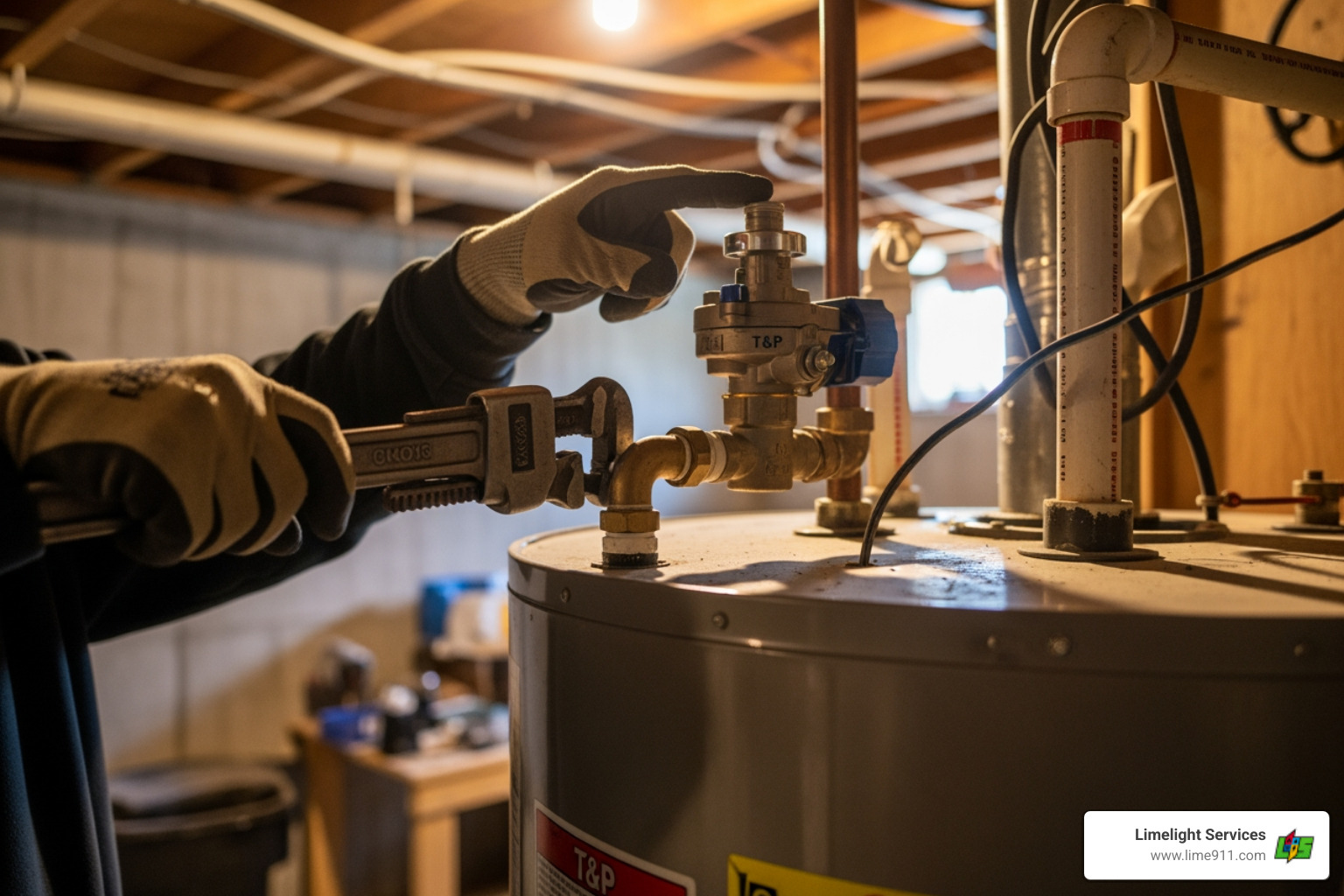
Test the T&P Valve: The Temperature and Pressure Relief (T&P) valve is a critical safety device designed to open if the temperature or pressure inside the tank becomes too high.
- How to test: Position a bucket underneath the discharge pipe connected to the T&P valve. Carefully lift the lever on the T&P valve to release a small amount of water for a few seconds, then let it snap back into place. If water flows freely and then stops, it is working. If no water comes out, or if it continues to drip, the valve might be faulty and needs replacement. This test should be done annually.
Check for Leaks: Regularly inspect the entire unit and surrounding area for any signs of water pooling, drips, or corrosion.
- Where to look: Pay close attention to the top and bottom of the tank, the T&P valve, the drain valve, and all water supply connections. Even a small leak can indicate a bigger problem and lead to significant water damage if left unaddressed.
Adjust Temperature: Many water heaters are installed with a factory setting of 140°F, which can be unnecessarily hot and contribute to scalding risks, especially for homes with children or the elderly.
- Recommendation: Many experts advocate adjusting the temperature to roughly 120°F (49°C). This temperature is sufficient for most household needs, reduces the settlement of mineral deposits (a big win in Fort Collins' hard water environment), saves energy, and helps minimize scalding risks.
Inspect for Corrosion: Look for any visible signs of rust or corrosion on the exterior of the tank, pipes, or connections. Rust-colored water coming from your faucets can indicate internal tank corrosion, which often means the unit is nearing the end of its life.
Specific Tasks for Tank Water Heaters
For homeowners with traditional tank water heaters, these tasks are especially important:
Flush the Tank: This is one of the most important maintenance tasks for tank water heaters, especially in Fort Collins where hard water leads to significant sediment buildup. Sediment can reduce efficiency, cause strange noises (like rumbling or banging), and contribute to premature tank failure.
- How often: Many homes benefit from flushing the tank annually, or even twice a year if you have very hard water.
- How to flush: With the power and cold water supply off, connect a garden hose to the drain valve at the bottom of the tank. Route the other end to a suitable drainage location (like a floor drain or outside). Open a hot water faucet inside your house to allow air into the system. Then, open the drain valve on the water heater. Let the water drain until it runs clear. To help dislodge stubborn sediment, you can briefly open the cold water supply valve for a few seconds to stir up the sediment, then close it and continue draining. Once the water runs clear, close the drain valve, remove the hose, and turn the cold water supply back on. Once the tank is full (water will stop sputtering from the open hot water faucet), turn off the faucet and restore power to the unit. For more detailed information on your unit, explore our comprehensive guide on water heaters fort collins co.
Inspect the Anode Rod: Often called the "sacrificial anode rod," this component is designed to corrode instead of your tank's interior. It attracts corrosive ions in the water, helping protect the steel tank lining from rust.
- How often: Inspect the anode rod every 1-2 years. In hard water areas like Fort Collins, it may need more frequent checking and replacement.
- How to inspect: With the power and water supply off, locate the hex head of the anode rod on the top of your water heater. Use a socket wrench to loosen and carefully remove it. If the rod is heavily corroded, less than half an inch thick, or coated in calcium, it is usually time for a replacement.
Key Maintenance for Tankless Water Heaters
Tankless water heaters, while different in operation, also require specific maintenance to support efficiency and longevity.
Descale the Unit: The biggest enemy of a tankless water heater is mineral buildup (limescale) within its heat exchanger, especially with Fort Collins' hard water. This buildup restricts water flow and heating efficiency.
- How often: Descaling is often performed annually, or more frequently if you have extremely hard water or high water usage.
- How to descale: This process involves circulating a vinegar solution or a specialized descaling product through the unit to dissolve mineral deposits. While detailed instructions vary by manufacturer, it typically requires a pump, hoses, and a bucket. This is often a task best left to a professional due to the specific equipment and knowledge required.
Clean Intake Filters: Many tankless units have water intake filters that can become clogged with sediment or debris, restricting water flow.
- How to clean: Consult your owner's manual for the location and removal instructions for these filters. Typically, you will shut off the water supply, remove the filter, rinse it under running water, and reinstall it.
Understanding these maintenance differences is key to getting the most out of your unit. For more information on these efficient systems, dig into our resources on tankless water heaters fort collins co.
Signs Your Water Heater Needs Professional Attention
While regular maintenance helps prevent many issues, sometimes your water heater will give you clear signals that it needs professional help. Ignoring these signs can lead to more significant problems, additional repairs, or even premature replacement.
Here are the red flags to watch out for:
Inconsistent Water Temperature: If your hot water supply is unpredictable—sometimes very hot, sometimes lukewarm, or fluctuating during a shower—it could indicate a problem with the thermostat, heating elements, or a damaged dip tube. This is a common symptom of a unit struggling to maintain temperature.
Discolored or Smelly Water: Water that appears rusty, brownish, or has a metallic taste often points to corrosion inside the tank or pipes. A rotten-egg smell usually signifies bacterial growth within the tank, which can often be addressed with a professional flush and disinfection.
Strange Noises: Water heaters are not typically noisy appliances. If you start hearing banging, rumbling, popping, or hissing sounds coming from your tank, it is usually a sign of sediment buildup. As sediment heats up and cools down, it can cause these noises. The unit has to work harder to heat the water, leading to increased wear and tear.
Visible Leaks or Corrosion: Any visible water pooling around the base of your water heater, drips from pipes, or rust on the tank's exterior or connections is a serious concern. While some leaks can be simple fixes (like a loose connection), others, especially from the tank itself, often indicate internal corrosion and may mean the unit needs replacement.
No Hot Water: This is the most obvious and frustrating sign. If you wake up to absolutely no hot water, it could be a tripped circuit breaker (for electric units), a pilot light issue (for gas units), or a complete failure of a heating element or thermostat.
Rising Energy Bills: If your energy use is steadily increasing without a change in usage patterns, your water heater might be the culprit. An inefficient unit, often due to sediment buildup or failing components, has to work harder and longer to heat water, consuming more energy in the process.
If you notice any of these signs, it is time to call in water heater professionals. Attempting complex repairs yourself without proper training can be dangerous and may void your warranty. When it is time for a new unit, the team at Limelight Services is ready to help with water heater installation fort collins co.
Professional Water Heater Maintenance in Fort Collins, CO
While some basic checks can be done by homeowners, professional water heater maintenance fort collins co goes beyond the basics to help ensure your system is operating safely and efficiently. The team at Limelight Services brings expertise, specialized tools, and a deep understanding of local conditions to every service call.
Here is why professional maintenance is so valuable:
Expertise for Fort Collins Water: Limelight Services technicians are familiar with the unique challenges posed by Fort Collins' hard water. They understand how mineral content affects water heaters and can provide targeted solutions, such as thorough descaling and anode rod inspections, that are essential for local climate and water conditions.
Comprehensive Safety Inspections: Water heaters, especially gas models, involve inherent risks. Limelight Services professionals conduct thorough safety inspections, checking for gas leaks, proper ventilation, and the correct functioning of all safety devices, including the T&P valve. They can also perform carbon monoxide testing where applicable, helping ensure your home is safe from this odorless, colorless danger. These in-depth checks are important for helping to prevent accidents and providing peace of mind.
Proper Tools and Knowledge: Limelight Services arrives equipped with the right tools and the knowledge to diagnose and address issues accurately. From specialized descaling pumps for tankless units to multimeters for testing electrical components and pressure gauges for expansion tanks, the team has what it takes to perform comprehensive maintenance. Ongoing training keeps technicians up-to-date with the latest water heater technologies and best practices.
Helping Ensure Warranty Compliance: Many water heater manufacturers require documented annual maintenance to keep your warranty valid. Professional service provides this documentation, supporting your investment in case a major component fails within the warranty period.
Choosing professional water heater maintenance means you are getting a thorough service that can extend your unit's life, support its efficiency, and help safeguard your home. Beyond water heaters, Limelight Services also offers comprehensive care for your home's heating system; learn more about heating services fort collins co.
Frequently Asked Questions About Water Heater Care
We get a lot of questions about water heater maintenance, and we are always happy to provide clear, helpful answers. Here are some of the most common inquiries from Fort Collins homeowners:
How often should I schedule professional water heater maintenance in Fort Collins, CO?
Many homes benefit from scheduling professional water heater maintenance fort collins co at least once annually. However, several factors can influence this frequency:
- Annual Recommendation: For most homes, an annual inspection and tune-up by a qualified technician is ideal. This allows the technician to flush the tank, inspect crucial components like the anode rod and T&P valve, and catch any potential issues before they become major problems.
- Hard Water Considerations: Given Fort Collins' hard water, some homes might benefit from biannual maintenance, particularly for tank flushing and descaling tankless units. More frequent maintenance helps combat the accelerated buildup of mineral deposits that are common in the area.
- Manufacturer Guidelines: Always check your water heater's owner's manual. Manufacturers often specify maintenance schedules that are essential for keeping your warranty valid and supporting optimal performance.
- System Age: Older water heaters, especially those approaching their typical lifespan, may benefit from more frequent checks to monitor their condition and address potential failures early.
What is the average lifespan of a water heater?
The lifespan of your water heater largely depends on its type, usage, water quality, and how well it is maintained.
- Tank Heaters: A traditional tank-based water heater (gas or electric) typically has an average lifespan of about 10 years, though with excellent maintenance, it can sometimes last 12 years or even longer.
- Tankless Heaters: Tankless water heaters generally have a longer lifespan, often reaching 15 to 20 years, thanks to their design and the fact that they do not store water, which can reduce certain types of corrosion.
- Impact of Maintenance: Proper and consistent maintenance is one of the biggest factors in maximizing your water heater's lifespan. Regular flushing, anode rod inspection and replacement, and descaling help limit corrosion and buildup that are primary causes of premature failure. Without maintenance, these lifespans can be significantly shorter.
- Replacement Indicators: Beyond age, signs like frequent leaks, rust-colored water, consistently inadequate hot water, or major component failures often indicate that replacement may be a more practical option than continued repairs.
Is it safe to do my own water heater maintenance?
Some water heater maintenance tasks are suitable for many homeowners, while others are best left to professionals.
- DIY-friendly tasks: Checking for leaks, adjusting the thermostat temperature, and insulating your water heater are generally manageable for homeowners. Testing the T&P valve can also be done carefully, following manufacturer instructions. For gas water heaters, visually checking the pilot light and venting is also a good practice.
- When to call a pro: Any task involving draining and flushing the tank, inspecting or replacing the anode rod, descaling a tankless unit, or working with electrical components or gas lines should ideally be performed by a qualified professional. This is especially true for older units where disturbing sediment could potentially reveal existing leaks.
- Gas and Electrical Risks: Working with gas lines carries the risk of leaks and carbon monoxide issues. Electrical components pose a risk of severe shock. These are not areas for DIY experimentation. Limelight Services' licensed technicians are trained to handle these systems safely and efficiently. For concerns about your home's electrical system, including circuit breakers, it is always best to consult experts. Learn more about circuit breaker solutions in fort collins.
When in doubt, always call a professional. Your safety and the proper functioning of your water heater are too important to risk.
Conclusion: Ensure Year-Round Comfort with Expert Care
Investing in regular water heater maintenance fort collins co is an investment in your home's comfort, efficiency, and safety. From supporting the lifespan of your unit and helping lower your energy use to reducing the chance of unexpected breakdowns and helping ensure a consistent supply of hot water, the benefits are clear. Especially in Fort Collins, where hard water can accelerate wear and tear, proactive care is not just a recommendation—it is a smart choice.
Most water heaters are "out of sight, out of mind" until they stop working. But with a little attention, either from your own safe, DIY efforts or from the expert team at Limelight Services, you can enjoy peace of mind knowing your hot water system is reliable and efficient year-round.
Limelight Services provides comprehensive water heater maintenance, repair, and installation services to the fort collins co community and across Northern Colorado. This family-owned business is committed to excellence, helping ensure your water heater operates at peak performance for years to come. For comprehensive hvac maintenance fort collins co and plumbing services, including all your needs for water heaters fort collins co, contact the Limelight Services team today.
Customer Testimonials


Robert was very friendly, professional and efficient troubleshooting and repairing our electrical issues. Thank you so much for getting everything fixed in a timely and efficient manner! We greatly appreciate your services and highly recommend Robert and his company!!

Since moving to Colorado 7 years ago this was without a doubt my best contractor experience. A clean and expert job quickly accomplished at a great price for the quality. Jason's number has firmly made it into my phone book, and will be my electrician of choice from now on!
Limelight’s prices are the best in northern CO and so is the work.The job was done professionally and quickly. We had no problems and are veryhappy with the quality of the work!
Limelight's prices are the best in northern CO and so is the work. The job was done professionally and quickly. We had no problems and are very happy with the quality of the work!
Jason was by far my best experience within all my contractors. And, I was very impressed by the speed in which he did his job.
Our Latest Blogs

Whole-Home Air Purifier Systems

Ensure Proper Furnace Installation with These Key Tips