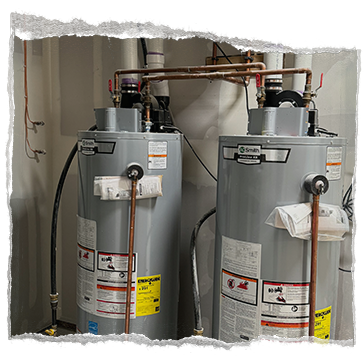



Water Heaters Services
Experience reliable water heater solutions with Limelight Services. Enjoy lasting comfort and efficient performance. Schedule your service today!
Expert Water Heater Installation and Repair Services
A reliable supply of hot water is essential for the comfort and functionality of any home or business. From daily showers to laundry and dishwashing, your water heater plays a critical role. When this vital appliance malfunctions, or when it's time for an upgrade, you need professional, dependable service.
Limelight Services specializes in comprehensive water heater installation and repair services, ensuring you have access to efficient and consistent hot water whenever you need it. Our team is equipped with the expertise and tools to handle a wide range of water heater needs, providing solutions tailored to your specific requirements.
Why Choose Limelight Services for Your Water Heater Needs?
Selecting the right service provider for your water heater can make a significant difference in the longevity and efficiency of your system. Limelight Services stands out by committing to exceptional service quality and customer satisfaction.
Our certified technicians bring years of experience to every job, adept at diagnosing complex issues and performing precise installations. We understand the urgency that often accompanies water heater problems, which is why we prioritize prompt responses and efficient service delivery.
Our commitment extends to transparent communication, ensuring you are fully informed about the service process and potential costs without hidden fees or surprises.



Exclusive Offers, No Backstage Pass Required

Understanding Your Water Heater Options: Tankless vs. Tank, Gas vs. Electric
Choosing the right type of water heater is crucial for optimizing energy efficiency and meeting your hot water demands.
Traditional Tank Water Heaters
These units store and heat a large volume of water in a tank, making hot water readily available.
- Advantages: More affordable upfront, simpler to install.
- Considerations: Limited hot water supply and continuous energy consumption to maintain temperature.
Tankless Water Heaters
Also known as on-demand water heaters, these heat water directly as it flows through the device, eliminating the need for a storage tank.
- Advantages: Continuous hot water supply, significant energy savings.
- Considerations: Higher initial cost offset by long-term efficiency.
Fuel Source Options
- Gas Water Heaters: Heat water faster, often more cost-effective with natural gas, and function during power outages.
- Electric Water Heaters: Easier to install and maintain, ideal for homes without gas access or those seeking lower initial costs.
Our experts assess your household’s hot water usage, energy preferences, and budget to recommend the most suitable water heater type for your property.

Tuned to a Higher Standard
-
 Proven ProcessOur skilled technicians get to the root of your electrical, plumbing, and HVAC issues, providing lasting solutions with clear communication every step of the way.
 -
Commitment to ExcellenceWith over 220 years of combined experience and ongoing training, our team is dedicated to keeping you safe, comfortable, and supported for life.
-
5-Star AssuranceFrom start to finish, if you don’t feel like you’re receiving 5-star service, let our technicians know, and we will make it right.
-
Home Care PromiseWe treat your home with the utmost care, using shoe coverings, floor protection, dent guards, and other precautions to leave it better than we found it.


-
 “I actually called them after poor customer service and callback from another company—and I’m so glad! They were helpful on the phone and then even got me in much earlier than scheduled (thank you, Celeste!).”- Kjersten J.
 -
“They are very professional and honest. They came out the same day my furnace quit working. They were super friendly and helpful and did not try to sell me something I didn’t need just to make a buck.”- Hope G.
-
“Limelight is exceptional. Electrical issues arose on an inspection report when selling my home that appeared very daunting. Brayden, the technician who came to assess the repairs, was so kind and reassuring.”- Andrea N.
-
“Very very happy! I just want to go a little further and say that Trevor also took time to explain everything to me as well as made sure his work looked good! You do not see this everyday!”- Gary K.
-
“When they say no one will treat you better, it’s just a fact. Brayden, Devin and Kyler came to my new house to do multiple for me and I could have not asked for a better experience. They truly gave top notch customer service and treat you like your f”- Emily W.
-
“Brayden and Zach were the best. I was so stressed out. They were calm and actually fun to talk with. They went straight to work and figured out what was going on right away!”- Kati A.
-
“He clearly explained everything, showed up on time, and made the whole job stress-free. Robert also gave us a great bundle deal on replacing 5 power outlets, which we really appreciated.”- Kevin L.
-
“Their communications with me, in advance of their visit, were excellent. They even sent an intro text and photo of the electrician, so I knew whom to expect. Trevor came by and was friendly, professional, knowledgeable, and really terrific overall.”- Lameece E.
-
“He was very professional and provided so much information and ideas to help us solve our warm and cold issues. Estimate was free and I was happy to experience such professionalism.”- Jen P.


Backstage Access to Year-Round Comfort
-
Rush Club Meet & Greet $15/Mo
- We Rush To Serve You: Priority Scheduling
- Member Exclusive Pricing
- Annual Inspection Of Electrical, Plumbing
- Yearly Pre-Summer and Pre-Winter Tune-Ups for 1 HVAC System
- Exclusive Offers For Members Only
- Referral Bonuses
-
Rush Club VIP Lounge $15/Mo
- We Rush To Serve You: Priority Scheduling
- Member Exclusive Pricing
- Annual Inspection Of Electrical, Plumbing
- Yearly Pre-Summer and Pre-Winter Tune-Ups for 1 HVAC System
- Exclusive Offers For Members Only
- Referral Bonuses
-
Rush Club All-Access Areas $15/Mo
- We Rush To Serve You: Priority Scheduling
- Member Exclusive Pricing
- Annual Inspection Of Electrical, Plumbing
- Yearly Pre-Summer and Pre-Winter Tune-Ups for 1 HVAC System
- Exclusive Offers For Members Only
- Referral Bonuses
Proudly Serving Customers in Johnstown, CO
- Allenspark, CO
- Arvada, CO
- Ault, CO
- Aurora, CO
- Bellvue, CO
- Berthoud, CO
- Boulder, CO
- Briggsdale, CO
- Brighton, CO
- Broomfield, CO
- Carr, CO
- Commerce City, CO
- Dacono, CO
- Denver, CO
- Drake, CO
- Dupont, CO
- Eastlake, CO
- Eaton, CO
- Eldorado Springs, CO
- Erie, CO
- Estes Park, CO
- Evans, CO
- Firestone, CO
- Fort Collins, CO
- Fort Lupton, CO
- Frederick, CO
- Galeton, CO
- Gill, CO
- Glen Haven, CO
- Greeley, CO
- Henderson, CO
- Hudson, CO
- Hygiene, CO
- Johnstown, CO
- Keenesburg, CO
- Kersey, CO
- La Salle, CO
- Lafeyette, CO
- Laporte, CO
- Livermore, CO
- Longmont, CO
- Louisville, CO
- Loveland, CO
- Lucerne, CO
- Lyons, CO
- Masonville, CO
- Mead, CO
- Milliken, CO
- Nederland, CO
- Niwot, CO
- North Denver Metro Area, CO
- Nunn, CO
- Pierce, CO
- Platteville, CO
- Red Feather Lakes, CO
- Severance, CO
- Thornton, CO
- Timnath, CO
- Ward, CO
- Wellinton, CO
- Westminster, CO
- Windsor, CO

-
 Careers with LimelightJoin a team that values your skills and invests in your growth. Enjoy competitive benefits, ongoing training, and the satisfaction of delivering exceptional service. Build a rewarding career with room to advance.
 -
Flexible Financing Options for Your Home Needs
We understand that home repairs can be unexpected and costly. That's why we offer a variety of financing options to fit your budget and ensure your comfort.
- Affordable Plans Tailored for Every Budget: Choose from low monthly payments or deferred options.
- Quick and Easy Application Process: Choose from low monthly payments or deferred options.
- Transparent Terms with No Hidden Fees: Choose from low monthly payments or deferred options.
-
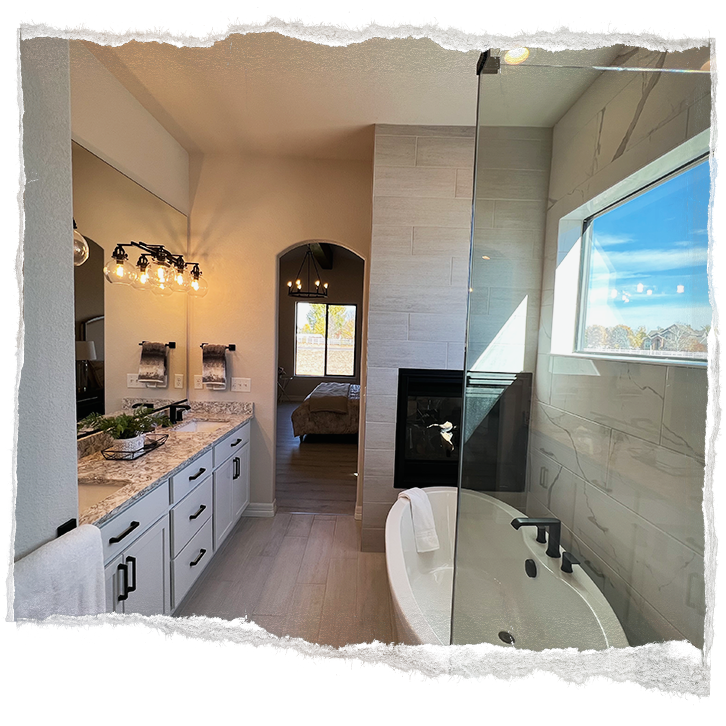
Our ProjectsOur projects showcase a diverse range of innovative solutions tailored to meet the unique needs of our clients. Each project reflects our commitment to quality and excellence, ensuring that we deliver outstanding results every time.